קפה ממקור יחיד בקוסטה ריקה: המדריך המלא לחוות, אזורים וטעמים
Meta Title: קפה ממקור יחיד בקוסטה ריקה: המדריך המלא לחוות, אזורים וטעמים
Meta Description: גלו מה הופך קפה ממקור יחיד מקוסטה ריקה למיוחד כל כך. סקירה של אזורי הגידול, שיטות העיבוד, והסבר פרקטי שיעזור לכם לבחור את הפולים המתאימים בדיוק לטעם שלכם.
קפה ממקור יחיד בקוסטה ריקה: מאזור הגידול ועד לספל שלכם
תקציר (TL;DR)
קפה ממקור יחיד מקוסטה ריקה מגיע מחווה אחת, מיקרו-טחנה אחת או אזור גידול מוגדר, ללא ערבוב עם מקורות אחרים. זהו קפה שמדגיש שקיפות, זהות ברורה ופרופיל טעם שמושפע ישירות מהגובה, מהקרקע, מהאקלים ומשיטת העיבוד. למי שמחפש קפה נקי, פירותי, מאוזן ומדויק יותר, קוסטה ריקה היא אחת מנקודות ההתחלה הטובות ביותר בעולם הקפה.
קפה ממקור יחיד בקוסטה ריקה נחשב מבוקש במיוחד משום שהוא מאפשר להבין בדיוק מאיפה הקפה הגיע, איך הוא עובד, ולמה הוא טעים כפי שהוא טעים. בניגוד לתערובות מסחריות שנבנות כדי לשמור על טעם אחיד לאורך זמן, קפה ממקור יחיד נועד להבליט את האופי הייחודי של חווה אחת או של אזור מסוים.
בפועל, המשמעות עבור הצרכן פשוטה מאוד: במקום לקנות “קפה טוב” באופן כללי, אפשר לבחור קפה עם זהות ברורה יותר, שקיפות גבוהה יותר, ויכולת טובה יותר להתאים את פרופיל הטעם להעדפה האישית.
מהו בעצם קפה ממקור יחיד?
קפה ממקור יחיד הוא קפה שמגיע ממקור אחד מוגדר: חווה, מיקרו-טחנה, קואופרטיב או אזור גידול מסוים. ככל שהמקור מדויק יותר, כך אפשר לצפות לפרופיל טעם ברור יותר ולעקביות גבוהה יותר בין שקיות מאותו מקור.
הערך האמיתי של קפה ממקור יחיד אינו רק יוקרה. הוא נמצא ביכולת:
להבין את הסיפור שמאחורי הקפה
להבחין בהבדלים בין אזורים וחוות
לבחור קפה לפי טעם אמיתי, ולא רק לפי מותג
לחזור למקור שאהבתם, אם מצאתם פרופיל שמתאים לכם
למה קוסטה ריקה נחשבת ליעד מפתח לקפה איכותי?
קוסטה ריקה בנתה לאורך השנים מוניטין חזק בעולם קפה הספיישלטי. השילוב בין אזורי גידול גבוהים, אדמה געשית, אקלים יציב יחסית ותרבות ייצור מוקפדת יוצר תנאים מצוינים לגידול קפה בעל ניקיון טעמים, מתיקות טבעית וחומציות בהירה.
עוד סיבה לכך היא הדגש המקומי על עקיבות ואיכות. במדינה התפתחו מיקרו-טחנות רבות, שאפשרו לחקלאים לעבד ולשווק את הקפה שלהם תחת שם החווה או האזור, במקום להיעלם בתוך תערובת גדולה. מבחינת הצרכן, זה יוצר שקיפות גבוהה יותר ומאפשר להבין טוב יותר את הקשר בין החווה, תהליך העיבוד והטעם בכוס.
איך אזור הגידול משפיע על הטעם?
אזור הגידול הוא אחד הגורמים המרכזיים שמעצבים את הקפה. הגובה, הקרקע, משטר הגשמים והטמפרטורה משפיעים על קצב הבשלת הפרי ועל מבנה הטעמים שנוצר בפול.
Tarrazú: לחובבי חומציות פירותית
Tarrazú הוא אחד האזורים המזוהים ביותר עם קפה איכותי מקוסטה ריקה. גובהי הגידול הגבוהים והאקלים ההררי תורמים לקפה תוסס, חד ומדויק יחסית.
מי שמחפש חומציות בהירה, תווי הדרים, גוף בינוני וסיומת אלגנטית ימצא לעיתים קרובות התאמה טובה לקפה מהאזור הזה.
Central Valley: למי שמעדיף איזון קלאסי
העמק המרכזי ידוע בקפה נגיש ומאוזן יותר, לעיתים עם שילוב נעים של מתיקות, שוקולד חלב, דבש ונגיעות פרי עדינות. זה אזור טוב מאוד למי שרוצה להיכנס לעולם הקפה ממקור יחיד בלי להתחיל בפרופיל קיצוני מדי.
West Valley: למחפשי מורכבות ופרחוניות
West Valley מזוהה לעיתים עם קפה אלגנטי יותר, בעל ארומות פרחוניות, פירותיות נקייה וסיומת מתוקה. מי שאוהב קפה מורכב, מעט יותר “חי” בכוס, עשוי להתחבר מאוד לאזור הזה.
שיטות העיבוד: איך החווה משנה את אופי הקפה?
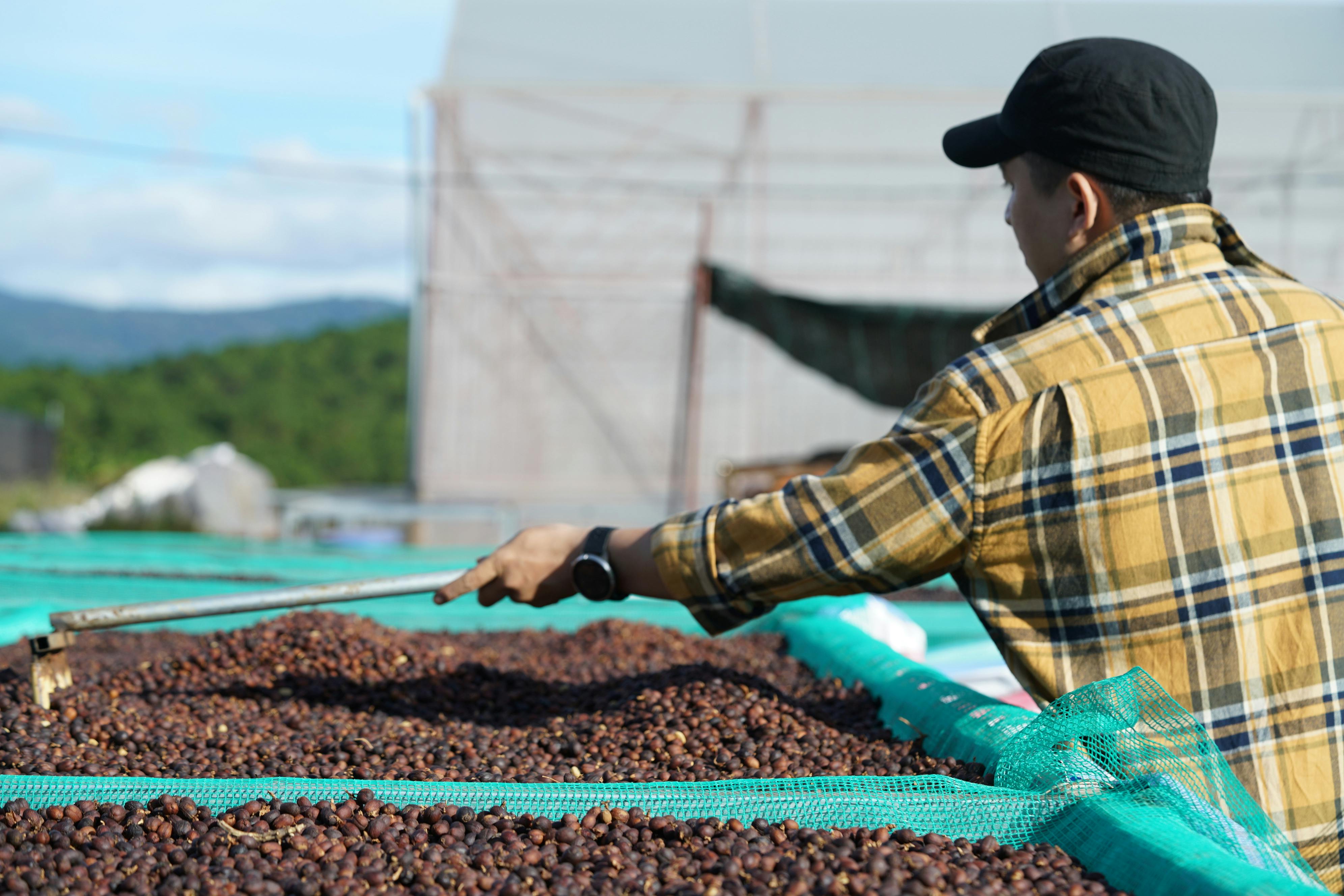
אחרי הקטיף, שיטת העיבוד משנה מאוד את החוויה בכוס. בקוסטה ריקה התפתחו כמה שיטות בולטות, וכל אחת מהן מדגישה צד אחר של הקפה.
עיבוד שטוף (Washed)
בעיבוד שטוף מסירים את שכבות הפרי לפני הייבוש, כך שהטעם המתקבל בדרך כלל נקי, צלול ומדויק יותר.
מתי לבחור בזה? אם אתם אוהבים קפה בהיר, רענן, חד יחסית, כזה שמבליט חומציות טבעית וטרואר.
עיבוד דבש (Honey)
בעיבוד דבש חלק מהריר המתוק של הפרי נשאר על הפול בזמן הייבוש. התוצאה היא לרוב קפה מעט עשיר ומתוק יותר, עם גוף חלק ומאוזן.
מתי לבחור בזה? אם אתם מחפשים איזון בין ניקיון למתיקות, או אספרסו עגול ונעים יותר.
עיבוד טבעי (Natural)
בעיבוד טבעי הפולים מתייבשים בתוך הפרי השלם. לרוב מתקבל פרופיל מודגש יותר, עם פירותיות חזקה, גוף כבד יותר ולעיתים גם תחושה יינית.
מתי לבחור בזה? אם אתם מחפשים חוויה נועזת יותר, עם טעמים בולטים ומבנה עשיר.
איך לבחור קפה ממקור יחיד בקוסטה ריקה לפי הטעם שלכם?
זו השאלה המעשית ביותר, והיא גם זו שעוזרת להפוך מידע טוב להחלטת קנייה טובה.
אם אתם אוהבים קפה בהיר ופירותי
חפשו בדרך כלל:
אזור כמו Tarrazú
עיבוד שטוף
קלייה בהירה עד בינונית
זה יתאים במיוחד לשיטות חליטה כמו V60, Chemex או AeroPress.
אם אתם אוהבים קפה מאוזן ומתוק
חפשו בדרך כלל:
Central Valley
עיבוד דבש
קלייה בינונית
זהו שילוב מצוין למי שמחפש קפה נעים, נגיש וקל להתחבר אליו.
אם אתם אוהבים קפה עשיר ובולט
חפשו:
חוות שמציעות Natural process
אזורים עם פרופיל ארומטי יותר
קלייה שתומכת בגוף ובמתיקות
זו בחירה טובה למי שאוהב אספרסו דומיננטי יותר או חוויית טעימה פחות קלאסית.
איך לקרוא תווית של קפה מקוסטה ריקה?
אם אתם רוצים לבחור נכון, אל תסתפקו בשם המדינה בלבד. חפשו על האריזה:
שם חווה או מיקרו-טחנה
אזור גידול
גובה הגידול
שיטת עיבוד
זן הקפה
תאריך קלייה
סימון כמו SHB יכול להעיד על גידול בגובה רב, מה שלעיתים מתקשר לפולים דחוסים יותר ולמורכבות טעם גבוהה יותר. אבל גם כאן, חשוב להסתכל על כל התמונה ולא רק על סימון אחד.
שאלות ותשובות נפוצות (FAQ)
מה ההבדל בין קפה ממקור יחיד לבין בלנד?
קפה ממקור יחיד מגיע ממקור מוגדר אחד, ולכן הוא מדגיש זהות ברורה ופרופיל טעם מסוים. בלנד משלב כמה מקורות (מדינות או חוות שונות) כדי להגיע לאיזון או לטעם קבוע שלא משתנה לאורך השנה.
האם קפה מקוסטה ריקה מתאים לאספרסו או לפילטר?
לשניהם. עיבוד שטוף מתאים לעיתים קרובות יותר לפילטר, כי הוא מדגיש ניקיון וחומציות. עיבוד דבש או טבעי יכולים להתאים מאוד גם לאספרסו בזכות מתיקות וגוף מלא יותר.
מה אומר הסימון SHB?
SHB הוא סימון שמקושר בדרך כלל לקפה שגדל בגובה רב (Strictly Hard Bean). גובה כזה עשוי לתרום להבשלה איטית יותר ולפוטנציאל טעם מורכב ועשיר יותר.
מה ההבדל בין קפה מקוסטה ריקה לקפה מקולומביה?
באופן כללי, קפה קולומביאני מזוהה לעיתים עם פרופיל קלאסי יותר של שוקולד, אגוזים וקרמל. קפה מקוסטה ריקה לעומת זאת, נוטה לעיתים לחומציות בהירה יותר, פירותיות מודגשת ומתיקות שנפגשת היטב עם שיטות עיבוד כמו דבש (Honey).
האם כל קפה מקוסטה ריקה הוא בהכרח Specialty?
לא. קוסטה ריקה מזוהה מאוד עם איכות גבוהה, אבל ההגדרה “ספיישלטי” (Specialty) תלויה גם בציון מקצועי (מעל 80 נקודות), במיון קפדני של הפולים, בקלייה נכונה ובביצוע בפועל בכוס עצמה.
סיכום: מה לעשות עכשיו?
בפעם הבאה שאתם קונים קפה, חפשו לא רק “Costa Rica”, אלא גם את שם החווה, אזור הגידול ושיטת העיבוד. אם אתם אוהבים ניקיון וחומציות, התחילו עם Washed מ-Tarrazú. אם אתם מעדיפים מתיקות ואיזון, נסו Honey מ-Central Valley. זו הדרך הפשוטה והחכמה ביותר להתחיל לבחור קפה כמו מקצוענים.
Meta Title: Costa Rican Single-Origin Coffee: A Practical Guide to Regions, Processing Methods, and Flavor
Meta Description: Discover what makes Costa Rican single-origin coffee special. Learn how growing region, altitude, and processing method shape flavor so you can choose the right beans for your taste.
Costa Rican Single-Origin Coffee: From Origin to Cup
Summary (TL;DR)
Costa Rican single-origin coffee comes from one clearly defined source, such as a single farm, micro-mill, cooperative, or growing region rather than a blend of multiple origins. That matters because it gives the coffee a more distinct identity and makes it easier to understand how altitude, climate, soil, and processing affect flavor in the cup. For people who enjoy clean, balanced, fruit-forward coffee, Costa Rica is one of the best places to start.
In practical terms, single-origin coffee gives you more than just a premium label. It gives you transparency, a clearer flavor profile, and a better way to choose coffee based on what you actually like rather than buying something that simply sounds good on the bag. While commercial blends are often designed for consistency, single-origin coffee is designed to highlight the character of a specific place.
What Is Single-Origin Coffee?
Single-origin coffee is coffee sourced from one defined origin. That origin might be a single farm, a micro-mill, a cooperative, or a specific growing region. In most cases, the more precise the origin, the easier it is to expect a recognizable flavor profile and a more traceable product.
The real value of single-origin coffee is not just prestige. It helps you understand the story behind the beans, compare the character of different farms or regions, choose coffee by taste rather than branding alone, and return to a specific source once you find a profile you enjoy.
Why Is Costa Rica So Important in Specialty Coffee?
Costa Rica has earned a strong reputation in specialty coffee because it combines high-altitude growing areas, volcanic soil, relatively stable climate conditions, and a quality-focused production culture. Together, these factors often produce coffees known for clarity, natural sweetness, and bright but refined acidity.
Another reason Costa Rica stands out is its strong emphasis on traceability and quality control. The growth of micro-mills gave many producers the ability to process and market coffee under their own farm or regional identity instead of disappearing into large anonymous lots. For buyers, that creates more transparency and a clearer connection between the farm, the process, and the final cup.
How Growing Region Shapes Flavor
Growing region is one of the most important factors in the final taste of coffee. Altitude, soil, rainfall, and temperature all influence how coffee cherries ripen and how flavor develops inside the bean.
Tarrazú: For Bright, Fruit-Forward Cups
Tarrazú is one of the best-known regions for high-quality Costa Rican coffee. Its high elevations and mountain climate are often associated with lively acidity, crisp structure, and a more vibrant cup profile. If you like citrus notes, medium body, and a clean finish, Tarrazú is often a strong match.
Central Valley: For Classic Balance
Central Valley is often associated with a more approachable and balanced profile. Coffees from this area may show a pleasant mix of sweetness, milk chocolate, honey, and gentle fruit notes. It is a very good starting point for people who want to explore single-origin coffee without jumping immediately into something highly acidic or unusually expressive.
West Valley: For Complexity and Floral Character
West Valley is often linked with a more elegant and layered profile, with floral aromatics, clean fruit character, and a sweet finish. If you enjoy coffee that feels a little more complex and expressive in the cup, this region is worth exploring.
Processing Methods: How Farms Shape the Cup
After harvest, processing method has a major effect on the final drinking experience. Costa Rica is especially known for showcasing how different processing styles can emphasize different sides of the same coffee.
Washed Process
In the washed process, the fruit layers are removed before drying. This usually creates a cleaner, more transparent cup that highlights acidity, clarity, and terroir more directly. Choose washed Costa Rican coffee if you prefer bright, fresh, and precise flavor profiles.
Honey Process
In honey processing, part of the sticky fruit mucilage is left on the bean during drying. The result is often a smoother, sweeter, and slightly richer cup with balanced body. This is a good choice if you want something between the brightness of washed coffee and the richness of natural coffee.
Natural Process
In the natural process, the beans dry inside the whole fruit. This often creates a bolder profile with stronger fruit notes, heavier body, and sometimes a wine-like quality. Natural-processed Costa Rican coffee is a good fit if you enjoy a more intense and distinctive cup.
How to Choose Costa Rican Single-Origin Coffee by Taste
The most useful question is not whether Costa Rican coffee is good, but which type fits your taste best.
If You Like Bright and Fruity Coffee
Look for:
regions such as Tarrazú
washed processing
light to medium roast
This style often works especially well for filter methods such as V60, Chemex, and AeroPress.
If You Like Sweet and Balanced Coffee
Look for:
Central Valley
honey processing
medium roast
This is a great option if you want something easy to enjoy, smooth, and broadly approachable.
If You Like Rich and More Intense Coffee
Look for:
farms offering natural process coffees
regions with more aromatic complexity
roast profiles that support body and sweetness
This can be an excellent choice for people who prefer a more dominant espresso profile or a less classic tasting experience.
How to Read a Costa Rican Coffee Label
If you want to choose well, do not stop at the country name alone. Look for details such as:
farm or micro-mill name
growing region
altitude
processing method
coffee variety
roast date
You may also see the term SHB, which generally refers to coffee grown at high altitude. That can be associated with denser beans and potentially more complex flavor development, but it should be viewed as one useful signal rather than the only quality indicator on the bag.
Frequently Asked Questions
What is the difference between single-origin coffee and a blend?
Single-origin coffee comes from one clearly defined source and is meant to express a specific identity and flavor profile. A blend combines coffees from multiple farms, regions, or countries to create a more controlled and consistent taste profile.
Is Costa Rican coffee better for espresso or filter?
It can work well for both. Washed coffees often shine in filter brewing because they highlight clarity and acidity, while honey or natural coffees can perform very well as espresso because of their sweetness and fuller body.
What does SHB mean?
SHB usually stands for Strictly Hard Bean and is commonly associated with coffee grown at higher altitude. Higher elevation can support slower cherry development and may contribute to greater flavor complexity.
How is Costa Rican coffee different from Colombian coffee?
In broad terms, Colombian coffee is often associated with more classic notes such as chocolate, nuts, and caramel, while Costa Rican coffee is often linked with brighter acidity, more pronounced fruit character, and excellent compatibility with processing styles such as honey process.
Is all Costa Rican coffee automatically specialty coffee?
No. Costa Rica has a strong reputation for quality, but the label “specialty coffee” depends on more than country of origin. It also depends on professional scoring, sorting quality, roasting quality, and how the coffee actually performs in the cup.
Final Takeaway: What Should You Do Next?
The next time you buy Costa Rican coffee, do not look only for the country name. Look for the farm, the region, and the processing method. If you like clarity and bright acidity, start with a washed Tarrazú coffee. If you prefer sweetness and balance, try a honey-processed coffee from Central Valley. That is one of the simplest and smartest ways to start choosing coffee more intentionally.